
Top Rated Cat Doors on Amazon: Weatherproof & Secure Options
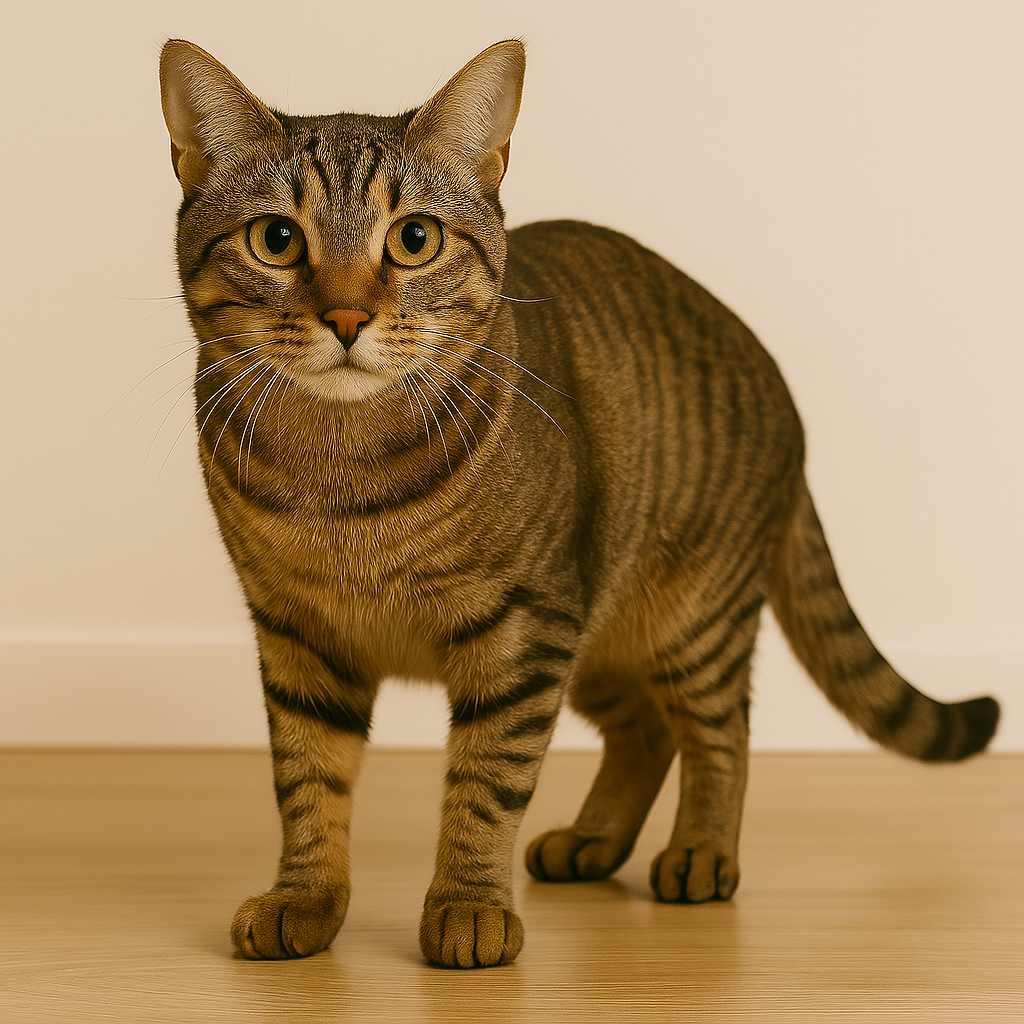
Cat doors are essential pet supplies that provide independence for your feline while maintaining security for your home. These pet friendly solutions allow cats to move freely between spaces whether accessing their litter box or enjoying outdoor time. Modern cat doors come in various styles from simple interior flaps to weatherproof exterior models with multiple locking options, and from traditional cut-in flaps to no-cut inserts for renters. Also see the top dog doors on Amazon. When choosing a cat door consider your pet's size, your home's layout, and whether you need interior or exterior access. Quality cat doors offer features like adjustable locking systems, weather sealing, and easy installation. From basic plastic flaps to advanced microchip-activated models, there's an option to suit every home and cat.
Pet Gadget Insider's Top Pick
Depets Large Cat Door (Outer Size 9.9" x 9.2") 4 Way Locking Cat Flap Door for Interior Exterior Doors Weatherproof Pet Door for Circumference < 23" is our top recommendation. This versatile door features four independent locking modes (swing both ways, in only, out only, or fully locked) making it suitable for both interior and exterior use. The weatherproof design includes a water-resistant exterior screen and a brush strip that reduces closing noise, while the transparent flap gives cats clear visibility in either direction. Built from smooth, durable ABS plastic, it fits cats under 17.64 lb with a waist circumference under 23.62 inches.
Comparison of Top Cat Doors on Amazon
Below is a detailed comparison of the best cat doors available on Amazon. Evaluate their features to find the perfect pet friendly solution for your home.
| Image | Product Title | Price | Key Features | Buy Link |
|---|---|---|---|---|
 | Depets Large Cat Door (Outer Size 9.9" x 9.2") 4 Way Locking Cat Flap Door for Interior Exterior Doors Weatherproof Pet Door for Circumference < 23" | $17.98 | 4-way locking, weatherproof, transparent flap, brush-strip noise reduction | Buy |
 | Purrfect Portal Meow Manor® Cat Door Interior Door - No-Flap, Fits Cats Up to 20 lbs, Easy DIY Setup, No Training Needed, White | $29.95 | No-flap design, keeps litter box odor contained, easy DIY setup, no training needed | Buy |
 | PetSafe Interior Cat Door, 2-Way Lock, White, Cats up to 15 lb | $12.95 | 2-way locking, transparent hard flap, fits interior doors 1/2 in to 2 in thick | Buy |
 | Amazon Basics Adjustable Plastic Dog and Cat Door with 4-Way Lock, Small, 5.7" x 5.6" Entrance, 7.5" x 7.4" x 2.2", White, for Interior and Exterior Doors or Wall | $12.00 | 4-way lock, durable plastic construction, works on doors or walls | Buy |
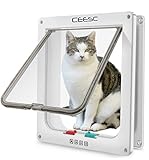 | CEESC Extra Large Cat Door (Outer Size 11"x9.8"), Weatherproof, White, ABS Material, 4-Way Locking Flap for Cats & Dogs up to 25.54 lbs | $19.89 | 4-way switch mode, weatherproof rain seal, brush strip noise reduction, fits cats/small dogs up to 25 lb | Buy |
Is a cat door a good idea?
Is a cat door a good idea? For most households, yes. A well-chosen cat door gives your cat independence while keeping the home secure, and it pays for itself in convenience within a few weeks. The real question is not whether to get a pet door, but which sizes, materials, and installation approach suit your cat and your home.
Sizes matter more than buyers expect. A flap built for a ten-pound cat will not fit a fifteen-pound one comfortably, so measure shoulder width and chest circumference before shopping. Manufacturers publish sizes for small, medium, and large cats, and matching those numbers to your pet beats choosing on price alone.
Materials drive long-term satisfaction. Cheap plastic cracks in cold weather, while reinforced ABS or aluminum framing holds up for years. Sturdier materials also tend to bring quieter, better noise reduction, since a dense, well-fitted flap will not rattle in the wind.
Installation worries most people, but it is usually a weekend project. Exterior work demands more care than interior work, since weatherproofing becomes essential once the opening faces outdoor conditions. A poorly sealed job lets in drafts, hurting energy efficiency and raising utility bills, so proper caulking and weatherstripping are worth the extra time.
Security is another real factor. A basic flap offers little wildlife prevention, so homes near woods often choose locking or microchip models for that reason alone. Good weatherproofing and security tend to go together, since a tight frame resists both drafts and unwanted animals.
A cat door can also fit into a broader home renovation, like converting a mudroom into a self-sufficient pet zone, and many owners treat the swap as one of several DIY projects tackled over a weekend. Weighing sizes, materials, and security together, rather than price alone, is what separates a door that lasts for years from one replaced within a season, and for most owners the pet safety and independence gained are well worth the modest effort.
What is the alternative to a cat door?
What is the alternative to a cat door? If cutting into a door is not an option, several routes get your cat the same independence without a permanent cat door. A sliding door insert is the most popular no-cut choice: a panel with a built-in pet flap replaces one pane of an existing patio slider, so your cat gets a pet door without any drilling. A screen door insert works similarly for a porch, giving your cat pet passage while the frame stays untouched.
A magnetic door is another common substitute, using magnets in the flap and frame to keep the panel sealed shut between visits, cutting down on drafts compared to a basic gravity flap. Some owners prefer an automatic door instead, one that opens on a sensor or timer rather than requiring the cat to push through anything at all; these tend to cost more but suit older cats or those with mobility issues.
For renters or anyone avoiding home modification entirely, a cat gate placed across a hallway or basement stairwell offers a lighter-touch option, restricting animal access to certain rooms without altering a door at all. A wall entry unit, cut into drywall rather than a door slab, is worth considering too, since it can be positioned exactly where foot traffic is lowest.
If you also have a dog, a dog door alternative sized just for your cat prevents the larger pet from following through the same opening, which matters in multi-pet households. None of these options require you to compromise your only exterior opening, since most can be installed in a window, wall, or secondary door instead.
Ultimately, the right alternative depends on your rental situation, your cat's size, and how much home modification you are willing to take on. A sliding panel or screen insert suits temporary living situations, while a wall-mounted unit or magnetic flap makes more sense for a long-term home.
Is there a cat door that only opens for your cat?
Is there a cat door that only opens for your cat? Yes. A microchip cat door reads the RFID chip your vet already implanted, so the flap stays locked to every animal except the ones registered in its memory. This setup is meaningfully different from a plain magnetic flap, which just holds a passive panel shut with two magnetic strips; a true automatic, electronic model actively scans for an approved signal before releasing a magnetic latch.
Most keyless systems on the market use the same basic approach: a small RFID reader sits near the tunnel opening, and when a registered cat approaches, the electronic sensor unlocks automatically within a second or two. Because the system relies on the chip your cat already carries, there is nothing to lose or forget, unlike a physical key. For cats without a compatible microchip, most brands sell a small RFID collar tag as a keyless backup, so the door still recognizes your pet without surgery.
This kind of automatic, electronic access matters most for pet safety, since it keeps neighborhood strays, raccoons, and other wildlife from following your cat inside. It also supports home security more broadly, since an unregistered animal simply cannot trigger the latch no matter how hard it pushes.
Before buying, cat door reviews are worth reading closely, since battery life, reader range, and memory capacity for multiple pets vary a good deal between cat door brands. Cat door installation for these models is usually similar to a standard flap, though the electronic reader unit needs a battery compartment kept dry and accessible.
Some newer models also offer smart home integration, letting you check battery status or set keyless curfew hours from a phone app rather than the unit itself. That kind of automatic, RFID-based control brings real peace of mind for anyone worried about uninvited animals sharing their cat's exclusive entrance.
What are the cons of cat doors?
What are the cons of cat doors? The most common complaint has nothing to do with the flap and everything to do with the frame: replacing part of a door handle assembly or cutting near existing hardware during exterior installation can weaken the slab if it is not done carefully, leading to a door that no longer sits flush.
Security risks are the concern raised most often. Even well-reviewed cat doors can be pried open by a determined person or squeezed through by a larger animal, and any opening in an exterior wall is one more potential entry point to think about. That risk connects directly to energy efficiency, since gaps around a poorly fitted flap let in drafts and undercut weather resistance, raising heating and cooling costs over a full year.
Pest control comes up surprisingly often. An unsecured flap does not just let your cat in and out; it can invite a rodent infestation if mice or rats learn to push through the same opening at night. Beyond pests, drafts and air leaks around a badly sealed frame are a frequent regret among owners who skipped professional-grade weatherstripping to save on installation costs.
There are less obvious downsides too. Some homeowners discover home insurance implications only after installing a cat door in a garage or fire-rated interior door, since local building codes may restrict cutting into fire-separation assemblies. In regions with extreme weather conditions, a standard flap may not seal well enough against wind-driven rain or deep cold, pushing owners toward pricier weatherproof models. Finally, neighbor pet access is a recurring complaint in close-set neighborhoods, where a cat door sized generously enough for your own cat can just as easily let in a neighbor's cat looking for food.
None of this means a cat door is a bad choice, but going in aware of security risks, pest control gaps, and the real installation costs of doing the job properly helps set expectations before you buy.
Do you have to cut your door for a cat door?
Do you have to cut your door for a cat door? No. Going without a cut is entirely possible, and several products are built specifically for a cat door without cutting door material. A magnetic cat door panel can replace a section of an existing sliding glass cat door track, sealing shut with magnets rather than needing a hole cut into anything. An adhesive cat door works differently, mounting to a window or thin panel using strong adhesive strips instead of screws, which suits pet owners who cannot drill into rented walls or original woodwork.
For many owners, no-cutting required is the whole appeal. Traditional installation involves measuring, drilling, and sometimes replacing a full door slab, which is more commitment than a lot of renters or new homeowners want to take on right after moving in. An easy installation route, like a self-contained panel insert, sidesteps that traditional installation entirely and can usually be swapped out again if you move.
This matters for anyone mid home renovation, since skipping the cut means one less permanent change to coordinate with a contractor. It also fits neatly into smaller DIY projects, since most panel-based or adhesive kits come with clear installation instructions and no specialty tools.
From an interior design standpoint, a clean panel insert tends to look less obtrusive than a flap cut into a solid wood door, since the original sightline stays mostly intact. That aesthetic appeal, paired with genuinely quick installation, has pushed demand across the US pet market for these no-cut styles.
Manufacturers in the animal care products space have responded with more magnetic and adhesive options every year, recognizing that many people want the independence a cat door offers without altering a door they do not own or plan to keep long term.
How to make a cat door without cutting the door?
How to make a cat door without cutting the door? Start with a self-framing panel insert, the core piece behind most cat door without cutting door products on the market. These kits fit inside an existing window track, sliding glass channel, or screen frame, so the whole unit becomes a self-framing cat door that holds its own flap without ever touching the original door slab.
Most kits are adjustable, with a telescoping or self-framing width that extends to match your window or sliding track, so a single portable size fits a range of openings rather than requiring an exact custom cut. A magnetic cat door built into the insert seals the flap shut between visits, and because the whole panel is adjustable in height, too, you can raise or lower the opening for a kitten versus a full-grown cat.
For anyone renting or wary of permanent changes, an adhesive edge is the other main path: heavy-duty adhesive strips bond a small frame directly onto glass or a thin door panel, again with no drilling. Combined with adjustable width and a self-framing structure, adhesive mounting delivers genuinely easy installation, often finished in under an hour.
Both approaches support the same goal of adding new entry points without a single cut, which appeals to pet owners mid home renovation or working through smaller DIY projects on a rental. A portable, adjustable, self-framing insert can also move with you, unlike a flap permanently built into a door.
For broader pet access beyond one opening, some owners combine a window insert with a magnetic pet gate elsewhere in the home, extending animal care coverage room by room without permanently modifying a single interior door.
What is the alternative to a cat door?
What is the alternative to a cat door? When the goal is a cat door without cutting door material specifically, the strongest cat door alternative options all avoid a permanent hole. A sliding panel insert is the most common pet access solution, replacing a strip of an existing slider so a magnetic cat door sits inside the track instead of the door itself.
A screen door insert works the same way for a porch, holding a small pet flap within the mesh frame rather than the frame of the main door. For rooms without a slider, a window cat door is another popular pet access solution, using a similar insert design mounted to a window sash with a magnetic cat door built in for sealing.
If you would rather avoid any door at all, a door adapter that fits an existing threshold gap can double as a low-profile pet flap without touching the slab. A patio pet door, typically installed as part of a sliding glass assembly, serves the same purpose for homes with a covered outdoor area. For larger properties, a garage pet access panel lets a cat move between a garage and yard, often paired with a freestanding pet gate to keep the animal out of parked-car areas.
A wall entry system, cut into drywall instead of any door, remains an option too, though it involves more home modification than the insert-based choices above. For multi-room control, an indoor pet barrier segments hallways or stairwells without altering doors at all.
Weighed together, a pet flap built into a sliding panel or screen door insert usually offers the best balance of convenience and low commitment for anyone trying to avoid cutting a door entirely.
Can you put a cat door in an exterior door?
Can you put a cat door in an exterior door? Yes, and it is one of the most common installation locations, though the job takes more care than an interior cat door because of what an exterior surface has to withstand. Before touching a door handle or drill, confirm the size of the cut against your cat's measurements and the door's own thickness.
Type matters as much as size. A hollow-core door usually needs a reinforcing frame kit for this type of installation, while a solid wood or fiberglass door can often accept a standard flap with minimal extra bracing regardless of type. Material also plays a role: aluminum or steel doors require different cutting tools and edge treatments than wood, so check the manufacturer's guidance for your door's specific material and type before starting.
Installation here means paying close attention to weather resistance from the first step, since any gap around the frame becomes a path for rain and wind. That same installation gap affects energy efficiency, so a bead of exterior-grade caulk around the finished frame is standard practice, not an optional extra.
Security is the other major consideration. An opening in an otherwise solid barrier is a real security tradeoff, so pet safety-focused buyers often choose a locking or four-way model with stronger security features rather than a basic flap for this location. Checking local building codes before cutting matters too, since fire-rated doors in some jurisdictions cannot legally be modified this way.
If the project overlaps with a larger home renovation, it is worth timing the cut alongside other DIY projects on the same door, since one already off its hinges for painting or weatherstripping is much easier to modify than one still hanging in place.
Cat doors are valuable pet supplies that enhance your feline's quality of life while maintaining home security. From basic interior flaps to advanced weatherproof and no-cut models, these pet friendly solutions accommodate various needs and budgets. The right cat door can provide years of convenient access for your pet while keeping your home comfortable.
When selecting a cat door consider your pet's size, your home's layout, and whether you need interior or exterior access. Quality doors from reputable brands offer durability and features that make them worthwhile investments for cat owners. With proper installation, a good cat door will serve both you and your pet well.