
How to Ant-Proof a Cat Feeder? Real Solutions
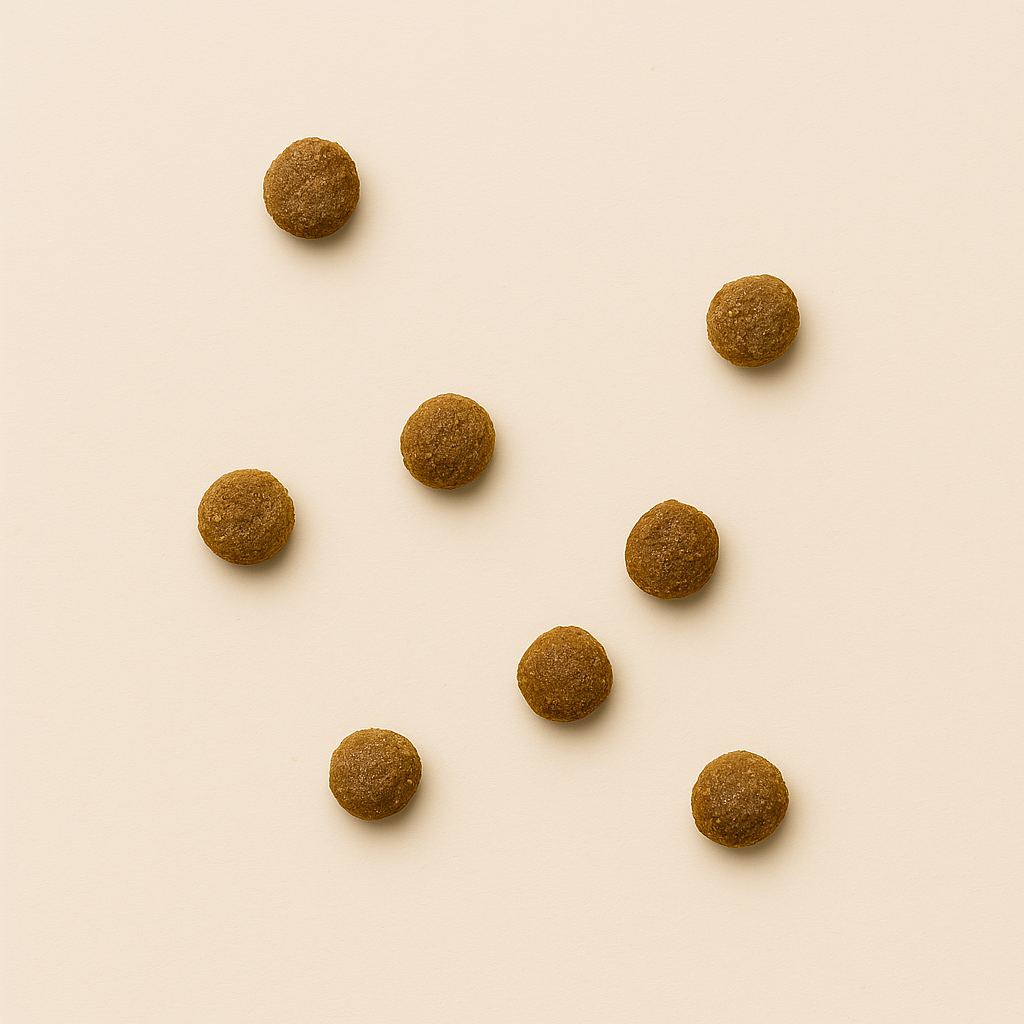
Here is the honest truth about automatic cat feeders and ants: no automatic cat feeder on the market fully solves the ant problem. The so-called ant proof automatic cat feeder models available today protect only the food bin with a desiccant seal and moisture control — they do nothing to protect the cat food bowl sitting below the dispenser, which is where ants congregate and where your cat actually eats. Water moats are the most commonly recommended DIY solution, and for small bowl setups they can work, but if you have a serious ant infestation — especially fire ants — they will swim through or simply find another route. Most automatic feeders are electrical and too big to sit in a water tray safely. The only complete solution is a physical barrier under the bowl — an ant proof cat feeder tray that stops ants at the point of contact — and that is exactly what our picks deliver.
See also our guide to the best cat toys for indoor cats.
Pet Gadget Insider's Top Pick
BugSnub Ant Proof Tray - Waterless, Moat Free Cat and Dog Food Tray for Crawling Pest Free Pet Food Feeding Station is our top recommendation for ant proofing a cat feeder. BugSnub uses a food-grade white mineral oil gel that's different from regular petroleum jelly. It doesn't melt or wear away. The gel is applied to the underside of upside-down cups around the tray legs — ants cannot walk across it, there is no liquid to spill, and one application lasts all year without melting or drying even on hot summer days. The impact-resistant polypropylene tray is made in the USA, the textured surface keeps bowls from sliding, and the 12x16 inch working area fits most automatic cat feeders and food bowls. For indoor and outdoor cat feeders alike, this is the most reliable ant proof physical barrier available — no water, no mess, no refilling. This is how to keep ants out of automatic cat feeders.
How to ant-proof a cat feeder?
Ant proofing a cat feeder requires addressing two separate vulnerabilities: the food storage bin and the food bowl. Ant proof automatic cat feeders with desiccant seals handle moisture control inside the food bin adequately — dry kibble produces less scent, which reduces ant attraction at the hopper level. But the dispenser exit and the bowl below it are exposed entry points. No automatic cat feeder for dry food currently seals against ants at the bowl level. Ant proofing the bowl is a separate step that must be handled with a physical barrier, a topical deterrent, or a combination of both.
Pet safety tips from cat care professionals consistently note that chemical ant killers should never be placed near a cat feeder — even outdoor pest control products that seem pet-safe can be hazardous when a cat eats food that has been in contact with them. Physical barriers are the only pet safe approach for ant proofing any feeding station, which is why the products in the chart below exist. For outdoor cat feeders, weather resistant materials and a barrier rated for outdoor temperatures are essential — standard petroleum jelly melts in heat and water moats evaporate or overflow in rain. Sealants and adhesives used in gel-barrier trays like BugSnub are specifically formulated to maintain their consistency across a wide temperature range, which is what makes them more reliable than DIY oil applications that need weekly reapplication. Good pet food storage discipline — an airtight hard container for the main kibble bag kept well away from the feeder — is the first line of defense, since reducing the scent footprint of the feeding area lowers ant pressure on the whole station before ants ever reach the bowl.
DIY that works: How to keep ants out of automatic cat feeders
The most discussed DIY ant proofing methods in the US pet owner community fall into three categories: water moats, gel or oil barriers, and elevation with a barrier. Water moats work for manual small bowls — one Reddit user's brick-in-a-baking-dish setup — Kathykat5959 on r/Catownerhacks described it as a brick centered in a 13x9 baking dish filled with water, with the bowl placed on the brick is genuinely effective for standard cat bowls, provided nothing touches the sides of the dish. But this approach fails completely for large automatic cat feeders that are electrical and cannot safely sit in water. For those, a dry physical barrier tray is the only viable option. Oil barriers — petroleum jelly or coconut oil applied to feeder legs — interrupt ant trails and are pet safe but need reapplication every few weeks and degrade outdoors. The most durable DIY approach for either use case is a moat dish with a built-in channel: a product like this cat dish with a built-in moat provides a water channel around the food area in a compact, spill-resistant design that works well for cats eating from a standard bowl. For fire ants specifically, water moats are the most effective DIY solution when properly built — fire ants are tenacious and will exploit any gap where the moat sides can be bridged, so the key is ensuring nothing touches the outer rim of the water tray. For automatic feeders where water is not safe, a gel barrier tray or the BugSnub system is the only reliable alternative against fire ants.
What about the food bin in an ant proof automatic cat feeder — does desiccant help?
Yes — desiccant inside the food bin is one of the best moisture control and ant proofing measures for the storage portion of an automatic cat feeder. Dry kibble is less attractive to ants than moist food, and a desiccant compartment reduces the scent trail that draws ants to the feeder in the first place. Airtight sealants and adhesives around the hopper lid further reduce odor escape. These measures address the bin but leave the bowl unprotected — which is why a physical barrier tray remains the essential final layer for complete ant proofing of both indoor and outdoor cat feeders.
Best automatic cat feeder ant proof Reddit for 2026?
The automatic cat feeder ant proof Reddit consensus for 2026 is clear: no feeder's built-in ant proof claim covers the bowl. The most upvoted thread confirms exactly what we noted in the intro — large automatic cat feeders are electrical, too big and too risky to place in a water moat tray, and the "ant proof" labeling refers only to the sealed food bin. The community's top practical recommendation is pairing any smart feeder with a separate physical barrier tray beneath it. Reddit reviews also consistently highlight timed feeders as a behavioral solution: dispensing small portions across multiple meals per day reduces the time pet food sits in the bowl, which lowers ant attraction regardless of what barrier is in place. For the US market, the combination of a timed automatic cat feeder, an airtight hopper with desiccant, and a dry physical barrier tray is the approach that Reddit reviews in 2026 endorse most strongly. Insect control methods based on water are acknowledged as useful for manual small bowls only. Smart home devices that send low-food notifications help owners avoid overfilling the hopper, which keeps pet food storage scent to a minimum and reduces the ant pressure on the whole feeding station.
Best DIY automatic cat feeder ant proof for 2026?
The best DIY automatic cat feeder ant proof solution for 2026 is a schedule based battery powered timed feeder paired with a dry physical barrier under the bowl. For outdoor use, a battery powered automatic pet feeder on a schedule based timed plan combined with a gel barrier tray rated for outdoor temperatures is the most durable ant proof approach. Pest control measures like food-grade diatomaceous earth along the perimeter of the feeding area complement these solutions in the US pet supply market without any chemical pet safety risk.
How do I keep ants out of my cat food?
Start with pet food storage — keep the main kibble supply in an airtight moisture resistant hard container well away from exterior walls and to minimize the scent line between your storage and the cat bowl or feeder. Soft bags folded closed are not airtight ant proof containers. For the bowl, a physical barrier is the only reliably pet safe option: gel trays for automatic cat feeders, moat dishes for manual bowls. Indoor cat feeders benefit from counter placement away from walls, as ants must travel a longer exposed route — but a barrier tray is still necessary on the counter. For outdoor cat feeders, moisture resistant construction and a weather-rated barrier are essential since water evaporates and petroleum jelly melts in heat. Pest control methods near cat food must be pet safe — food-grade diatomaceous earth around the perimeter of the feeding station is the only widely recommended option that poses no cat health risk. Avoid essential oil sprays marketed as natural ant repellents; many are toxic to cats. Clean up any spilled kibble around the feeder base immediately — even small amounts create a scent trail that defeats every other ant proofing measure you have in place.
How to feed an outdoor cat without attracting ants?
Use a battery powered automatic cat feeder on a timer controlled schedule dispensing small portions two to four times daily — this is the single most effective behavioral measure for outdoor cat feeding, limiting the window during which pet food sits exposed. The best automatic cat feeder ant proof setup for outdoor use pairs this with a weather resistant physical barrier tray under the feeder and bowl. Clear all leaf litter, vegetation, and debris within two feet of the feeding station to remove ant harborage. A timer controlled feeding schedule reduces bowl exposure time, and moisture proof construction in both the feeder and the barrier tray is non-negotiable outdoors — any barrier that degrades in rain or warps in UV exposure will fail by midsummer. Feline nutrition is not compromised by timed small meals; scheduled feeding actually aligns better with natural feline hunting patterns than a constantly full bowl. US pet ownership statistics show outdoor and feral cat feeding is most common in the South and Southwest where fire ant pressure is highest, making a weather resistant ant proof setup a practical necessity in those regions. DIY cat feeding stations built from polypropylene or powder-coated steel with gel-coated legs handle outdoor pest control measures without chemical risk to outdoor pet care.
How to keep ants away from cat automatic feeder?
Keeping ants away from a cat automatic feeder requires interrupting their path at three points: the environment around the feeder, the feeder body itself, and the bowl. For the environment, food-grade diatomaceous earth sprinkled around the feeding station perimeter disrupts ant chemical trails without any pet safety risk indoors or outdoors. For the feeder body, moisture resistant construction with an airtight hopper seal and desiccant reduces the scent that draws ants upward toward the food storage bin. For the bowl, a gel barrier tray or physical moat dish stops ants that reach the station from accessing the pet food. An automatic cat feeder ant proof setup that combines all three layers is the most reliable solution for both indoor and outdoor use — no single measure is sufficient on its own. Timed feeding on a cat feeding schedule that limits bowl exposure time reduces ant attraction throughout the day regardless of what physical barriers are in place. Ant repellent products used near the feeder must be explicitly pet safe — many commercial ant repellents contain pyrethroids that are toxic to cats. Kitchen counter placement for indoor use reduces ground-level ant access, but ants active on counters still require a barrier tray. The ant proof cat feeder problem is solvable in 2026 with the right combination of a sealed feeder, a physical barrier tray, and timed portion-controlled feeding — pest control at the bowl level is the piece most cat owners are missing.
How do the three ant-proof trays compare?
The BugSnub, Yuwoda PLUS, and SoulThink each take a different approach to the same problem. BugSnub uses a thickened food-grade mineral oil gel on upturned cup feet — no liquid, no refilling, lasts all year without degrading in heat, and the 12x16 inch tray is large enough for most automatic cat feeders. It is the best all-around solution for both indoor and outdoor use against small-to-large ants. The SoulThink uses a US-patented mechanical channel — no gel, no water, no chemicals at all — making it the easiest to clean and the most zero-maintenance option for indoor use against small household ants; the product description notes it may not stop larger ant species, so it is best suited to apartments and homes without fire ant pressure. The Yuwoda Ant Tray PLUS is engineered specifically for the opposite end of the spectrum — its triple-layer physical barrier is designed to stop medium-to-large ants and is rated for rugged outdoor environments including patios and porches, making it the strongest choice for fire ant country or any outdoor feeding station where smaller barrier designs have already failed.
Comparison of Top 3 Ant-Proof Cat Feeder Trays
Below is a detailed comparison of the top ant-proof trays to protect your cat feeder:
| Image | Product Title | Price | Key Features | Buy Link |
|---|---|---|---|---|
 | BugSnub Ant Proof Tray - Waterless, Moat Free Cat and Dog Food Tray for Crawling Pest Free Pet Food Feeding Station | — | Food-grade mineral oil gel, no liquid moat, USA-made polypropylene, 12x16" working area, one application per year, heat resistant, textured non-slip surface | Buy |
 | Yuwoda No More Ant Tray Plus - Indoor Moat Feeder for Cats and Dogs | — | Triple-layer physical barrier, stops medium to large ants, indoor and outdoor rated, patio and porch compatible, no chemicals required | Buy |
 | SoulThink® Ant Proof Cat Dog Bowl Tray - New Innovation Anti Ant Pet Food Dish Indoor No Chemical No Water Needed (Royal Blue) | — | US Patent physical mechanism, no chemicals, no water, no gel, indoor and outdoor use, suitable for ferals and strays, mess-free, easy to clean | Buy |
Ant proofing a cat feeder is a two-layer problem — protect the food bin with moisture control and airtight pet food storage, and protect the bowl with a physical barrier. No automatic cat feeder currently solves both on its own, and water moats alone will not hold against serious ant pressure or large automatic feeders that cannot safely sit in water. The three trays in our chart cover every scenario: BugSnub for all-around gel protection, Yuwoda PLUS for large-ant and outdoor defense, and SoulThink for chemical-free indoor simplicity. Pair any one of them with a timed automatic cat feeder that limits bowl exposure time, and the ant problem becomes manageable regardless of the season or the species.
Frequently Asked Questions
- How to ant-proof a cat feeder?
- Ant-proof a cat feeder by addressing the food bin and bowl separately. Use a feeder with a desiccant seal for moisture control in the bin, and place a physical gel barrier tray under the bowl. Water moats fail with large automatic feeders and serious infestations — a dry gel or mechanical barrier is more reliable for both indoor and outdoor use.
- Do automatic cat feeders prevent ants?
- Only partially. Automatic cat feeders with desiccant seals protect the food storage bin from ant entry. They do not protect the food bowl below the dispenser. A physical barrier tray placed under the entire feeder is required for complete ant proofing.
- What is the best DIY ant proof solution for a cat feeder?
- For manual small bowls, a brick placed in a 13x9 baking dish filled with water works well. For automatic feeders that cannot sit in water, a gel barrier tray or the free 3D-printable moat dish design at printables.com is the best DIY option. Many US public libraries offer free 3D printer access.
- How do I keep ants out of my cat food?
- Store kibble in an airtight moisture resistant hard container. Place the feeder and bowl on a physical ant proof tray. Use food-grade diatomaceous earth around the perimeter of the feeding station for outdoor use. Clean spilled kibble immediately. Avoid chemical ant repellents near the bowl as many are toxic to cats.
- How to feed an outdoor cat without attracting ants?
- Use a battery powered automatic cat feeder on a timer controlled schedule dispensing small portions 2-4 times daily to limit bowl exposure time. Place the feeder on a weather resistant ant proof tray and clear all debris within two feet of the feeding station.
- How to keep ants away from cat automatic feeder?
- Use food-grade diatomaceous earth around the feeding station perimeter, an airtight hopper with desiccant on the feeder, and a gel barrier tray under the bowl. Timed feeding limits bowl exposure time. Only use ant repellents that are explicitly pet safe — many commercial products contain pyrethroids that are toxic to cats.